
Introduction
sparks, fumes, and smoke daily in fabrication shops, small workshops, and building sites. Clean air is equally crucial as protective gear, such as gloves and helmets, which are the focus of most people. Welding ventilation systems in Canada is useful in this situation. Effective ventilation makes the workplace safe, healthy, and comfortable by eliminating dangerous gases at their source.
This article will discuss the importance of welding ventilation, the different kinds of systems that are available, how Canadian companies may profit from them, and the significant impact that choosing the correct solution can have.
Why Welding Ventilation Matters in Canada
In Canada, welders operate in a variety of settings, including open production floors, small garages, frigid warehouses, and occasionally cramped areas. Although the airflow in each job varies, welding fumes are always hazardous.
Welding ventilation Canada solutions are therefore increasingly crucial. Headaches, breathing difficulties, and long-term health concerns can be brought on by fumes from metals, coatings, and fillers. Before workers breathe in pollutants, adequate ventilation helps eliminate them. This keeps employees healthier and more productive while also enhancing safety and adhering to Canadian safety regulations.
Common Challenges Canadian Welders Face
Before choosing any system, it helps to understand the common ventilation challenges in Canada:
1. Cold Weather and Closed Doors
In many parts of Canada, workshops stay closed during winter. Without fresh air, fumes build up quickly. Welding ventilation Canada solutions help move air without losing too much heat.
2. Small Shops With Limited Space
Many small workshops struggle to fit large machines. Compact or portable extraction units work well here.
3. Different Metals and Processes
Different vapours are produced by stick, MIG, and TIG welding. Strong extraction is required because stainless steel, aluminium, and galvanised materials produce significant smoke.
4. Increasing Safety Requirements
Canadian regulators are becoming stricter. Investing in welding ventilation Canada systems helps businesses meet safety standards and reduce compliance issues.
Types of Welding Ventilation Systems in Canada
Not all workplaces need the same setup. Here are the most popular systems used across the country:
1. Source Capture Systems
These technologies catch fumes at the point of generation. They are the ideal choice because the vapours never spread across the space.
Common forms:
- Fume extraction arms
- Extraction torches
- Mobile fume extractors
Source capture is widely recommended in welding ventilation Canada guidelines because it works for almost every type of welding.
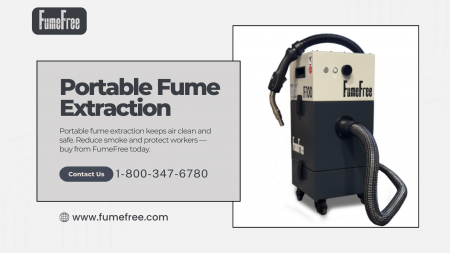
2. Portable Fume Extractors
These small units move with the welder. They are great for:
- Small shops
- Job sites
- Tight corners
For businesses that don’t have fixed welding stations, portable units offer flexible welding ventilation in Canada without major installation work.
3. Centralized Ventilation Systems
These systems serve many welding stations at once. They are ideal for:
- Large factories
- Manufacturing units
- Schools and training centers
Central systems are more expensive, but they offer reliable, long-term airflow and powerful extraction.
4. Downdraft Tables
Fumes are drawn downward through the surface of these tables. They are useful when workers are handling flat objects for welding, cutting, or grinding.
5. General Shop Ventilation
This includes exhaust fans, duct systems, and makeup air. It does not replace source capture but supports overall air quality.
A combination of general and source capture usually delivers the best results for welding ventilation Canada needs.
Benefits of Welding Ventilation Canada Solutions
Using a proper system brings many advantages for Canadian workshops:
1. Cleaner Air and Healthier Workers
Eliminating fumes enhances the quality of the air and avoids long-term health problems. Employees use fewer sick days, feel better, and maintain their health.
2. Better Productivity
Clean air means welders can work longer without feeling tired or uncomfortable. This improves focus and reduces mistakes.
3. Safety Rule Compliance
Authorities in Canada expect businesses to follow strict air quality standards. The right welding ventilation Canada system helps meet these rules easily.
4. Reduced Fire and Explosion Risks
Welding fumes include flammable particles. Good ventilation reduces the chance of dangerous buildup.
5. Longer Equipment Life
Extracting fumes before they settle helps protect machines, tools, and electronics from damage.
6. Better Workshop Environment
A clean, low-smoke workshop improves morale. Customers and visitors also feel more confident when they see a safe environment.
How to Choose the Right Welding Ventilation System in Canada
Here are simple tips to make the best choice:
1. Check Your Workspace Size
Bigger shops may need centralized systems, while small spaces benefit from portable units.
2. Look at Your Welding Processes
Heavy fume welding needs stronger extraction.
3. Count the Number of Welding Stations
More stations may require a multi-port system.
4. Think About Future Growth
It’s better to invest in something that supports expansion later.
5. Choose Trusted Canadian Suppliers
A reliable supplier ensures strong performance, customer service, and long-term support for your welding ventilation Canada setup.
Conclusion
At FumeFree, we believe every welder in Canada deserves clean air and a safe workplace. The right welding ventilation Canada system doesn’t just remove fumes—it protects workers, improves productivity, and keeps your business compliant with safety standards. Whether you run a small shop or a large industrial facility, FumeFree delivers reliable, high-performance ventilation solutions designed for Canadian conditions. Clean air is not an option—it’s essential. And FumeFree is here to help you achieve it.
FAQs
1. Why do I need welding ventilation in Canada?
Because welding fumes are harmful and Canadian safety laws require proper air control. Welding ventilation Canada systems help keep workers safe.
2. Which system is best for small workshops?
Portable fume extractors or source capture arms are ideal for small spaces.
3. Does ventilation remove all welding fumes?
Source capture systems remove most fumes. General ventilation supports overall airflow but doesn’t replace source capture.
4. Are ventilation systems expensive?
Costs vary depending on shop size and the type of welding. However, investing in ventilation saves money in the long run by improving productivity and reducing health risks.
5. How often should I service my ventilation system?
Most systems need basic service every 6–12 months, depending on usage.