
Introduction
Modern manufacturing plants rely heavily on robotics to speed up production, improve reliability, and maintain consistent quality. While automated welding systems bring many benefits, they also generate a large amount of hazardous fumes. These fumes can harm workers, damage sensitive machines, and lower the overall air quality in the facility. This is why Robotic Welding Fume Extraction has become a key priority for industries that want safer and cleaner workplaces.
Businesses have begun to take air quality more seriously in recent years, both for regulatory reasons and for the sake of their workers’ health. Reliable robotic welding fume extraction systems that eliminate emissions at their source are becoming more and more necessary as robotic welding becomes more widespread. These systems assist businesses in creating safer working conditions, lowering maintenance costs, and maintaining enough ventilation.
Why Fume Extraction Matters
Welding fumes contain harmful particles such as metal dust, gases, and micro-contaminants that can cause serious health concerns if inhaled. Even though robots do the welding work, people still operate, monitor, and maintain the machines. Without proper Robotic Welding Fume Extraction, the surrounding air becomes polluted, making the work environment unsafe for humans and causing long-term damage to machinery.
Fume accumulation has an impact on production in addition to health hazards. Visibility deteriorates, and sensors may malfunction when fumes build up around robotic arms or sensors. Workflows are disturbed, and downtime is increased. Industries can maintain high production and equipment functionality with a well-designed Robotic Welding Fume Extraction setup.
Types of Robotic Welding Fume Extraction Technologies
Industries today have access to a variety of systems made to manage various welding conditions. The most popular method is source capture, in which fumes are directly removed from the weld region by the extraction system. Nowadays, a lot of sophisticated robots include built-in Robotic Welding Fume Extraction systems that attach to the robotic arm. Fumes are immediately captured by the extraction nozzle, which moves with the robot.
Another popular method is enclosure-based extraction. Here, the welding robot is placed inside a closed booth. The enclosure contains the fumes while a powerful ventilation system pulls them away from the air. Because the booth isolates fumes so effectively, it’s a great option for facilities that run heavy welding operations and need consistent Robotic Welding Fume Extraction performance.
Portable and Centralized Extraction Systems
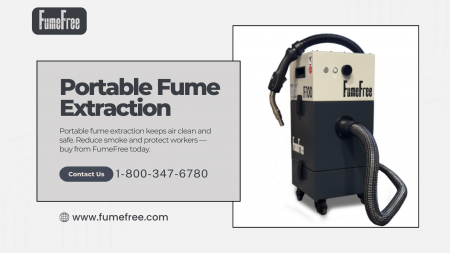
Some industries prefer portable systems because they offer flexibility. If a welding robot is moved to a new work area, the extraction unit can move with it. These portable units are compact, easy to maintain, and suitable for smaller production lines that still need Robotic Welding Fume Extraction but don’t require large fixed installations.
However, centralised extraction systems are frequently used in larger enterprises. These are sizable filtration units with a huge capacity that are linked to several robotic cells. Stronger airflow, sophisticated filtration, and long-term value are all offered by centralised systems. To keep the entire facility safer and cleaner, they make sure that each welding station has dependable robotic fume extraction.
Filtration Technologies Inside Extraction Units
Filtration technology is the foundation of all extraction systems. High-efficiency filters made to catch even the tiniest particles are used in modern units. HEPA filters, spark arrestors, and self-cleaning filters that lower maintenance requirements are used in many systems. These filters aid in preserving the air quality at a level that protects equipment and keeps people comfortable. Maintaining reliable Robotic Welding Fume Extraction performance day after day requires effective filtration.
Automation and Smart Extraction Systems
As factories become smarter, so do fume extraction systems. Many new models include sensors that measure air quality, pressure, and filter status in real time. When the robot starts welding, the extraction system automatically turns on and adjusts the airflow. This type of intelligent Robotic Welding Fume Extraction reduces energy use and improves efficiency. It also ensures that fumes are removed only when needed, making the process more environmentally friendly.
Benefits for Industries
There are various advantages to using contemporary extraction technologies. Employees benefit from a healthier workplace with reduced exposure to toxic gases. Businesses minimise downtime and steer clear of costly repairs brought on by tainted sensors or robotic components. Additionally, clean facilities enhance general morale and convey professionalism. In summary, robotic welding fume extraction is a wise investment that improves workplace culture and productivity in addition to being a safety necessity.
Challenges Industries Face
Some industries struggle to select the best solution, despite its obvious advantages. Making decisions can be challenging due to space restrictions, financial limitations, and the complexity of some welding operations. Depending on the type of metal, welding speed, and production volume, each robotic cell may need a distinct Robotic Welding Fume Extraction arrangement. Consulting with professionals can help businesses create a system that precisely meets their specific needs.
Conclusion
At FumeFree, we understand how important clean air is for modern manufacturing. Investing in reliable Robotic Welding Fume Extraction keeps your facility safe, productive, and compliant with regulations. Our solutions are designed to deliver strong performance, long-term durability, and easy maintenance. Whether your operations are small or large-scale, we provide systems that fit your needs and help create healthier, cleaner workplaces. With FumeFree, you get the confidence that fume control is done the right way—every day.
FAQ
1. Why is Robotic Welding Fume Extraction important even if robots do the welding?
Human workers still operate and maintain the robotic cells, so clean air is essential. Good Robotic Welding Fume Extraction protects both people and equipment.
2. Can portable systems handle heavy-duty welding operations?
Portable units work well for smaller setups, but high-volume operations usually need stronger, centralized Robotic Welding Fume Extraction systems.
3. How often should filters be replaced?
It depends on the workload, but most filtration units with built-in monitoring will alert users when it’s time to service the Robotic Welding Fume Extraction filter system.
4. Do extraction systems reduce energy consumption?
Yes. New smart systems optimize airflow automatically, making Robotic Welding Fume Extraction more energy-efficient.